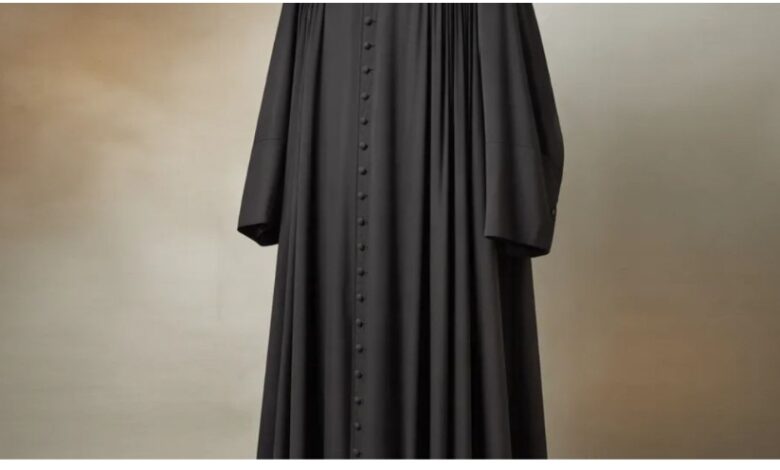
Clerical robes are an essential part of Christian liturgical tradition, representing humility, authority and spiritual identity. The wearing of clerical robes, commonly known as clergy vestments, has been a key aspect of worship over the centuries. These are not only clothes but symbolic clothes that differentiate clergy in religious services.
Clerical robes are prevalent across all denominations and serve as an important aspect of maintaining consistency and reverence in worship. Clerical robes are also a term closely related to similar vestments, such as cassocks, albs, and surplices that are included in the general wardrobe of clergy.
Clerical robes are intended to represent the spiritual discipline and devotion and can therefore be a significant topic in the study of church traditions, ministry clothing and the system of ecclesiastical clothing.
What Are Clerical Robes in Christianity
Clerical robes are the traditional attire of the clergy in religious ceremonies and worship services. These robes represent devotion, humility and sacred responsibility in the Christian ministry.
Clerical robes are used to distinguish clergy from members of the congregation in most churches, making the distinction very clear regarding leadership positions in spiritual matters.
Historical Background of Clerical Robes
The development of clerical robes can be traced back to common Roman clothing from the time they began, which later evolved into official religious robes. Through the centuries, these clothes became more organised and symbolic, as they were a symbol of the distance between secular life and spiritual service.
Clerical robes can be seen as an indication of the development of the Christian worship customs and the rise in the significance of liturgical identity in the history of the church.
Purpose and Significance of Clerical Robes
Clerical robes are used in several functions in the religious practice:
- Symbolise religious office and spiritual authority
- Promote modesty and lessen self-identity
- Create unity among clergy members
- Always be sacred when worshiping
- Reflect church customs and the order of worship
These are used to amplify the religious character of worship and remind the clergy and the congregation of the spiritual duty.
Types of Clerical Robes
In a variety of denominations, there are a number of traditional garments that are clerical robes:
Cassock
A robe that is long, tight-fitting and commonly used by the clergy as official clothing, or as a covering under other vestments.
Alb
A white robe that signifies purity and baptismal grace which is widely used in most Christian traditions.
Surplice
An oversized white robe to be used over the cassock when attending services and ceremonies.
Chasuble
An outer vestment that was worn during Eucharistic celebrations.
Stole
An ordinal cloth on the neck signifying ordained ministry and spiritual authority.
Materials Used in Clerical Robes
Depending on the purpose and weather, clerical robes are of different fabrics:
- Comfortable and breathable cotton.
- Polyester mixes are blended for durability and ease of maintenance.
- Traditional and lightweight clothing.
- Wool is mixed to be worn at work and in the season.
These materials are comfortable to use throughout the long worship services and look dignified.
Colours and Liturgical Meaning
Clerical robes tend to adhere to a colour scheme based on the church calendar:
- White represents purity and celebration
- Purple symbolises reflection and penance
- Red is a symbol of the Holy Spirit and sacrifice
- Green reflects growth and ordinary time
These colours facilitate theological meaning in the worship services.
Modern Use of Clerical Robes
Clerical robes continue to be popular in the modern church during:
- Sunday worship services
- Baptisms and weddings
- Funeral ceremonies
- Ordination services
- Special liturgical events
Although the church practices have modernised, clerical robes still maintain the tradition and identity in the ministry.
Clerical Robes in Different Denominations
Clerical robes vary with Christian denominations, which are influenced by their traditions and beliefs. Formal liturgy practice is often symbolised by catholic clergy wearing cassocks and chasubles. Anglican churches wear surplices and stoles, which provide an egalitarian and conventional dress for worship.
Protestant churches tend to favour simpler robes or gowns, with an emphasis on modesty and utility. Orthodox customs, though, are characterised by decadently adorned clerical robes with elaborate designs and patterns that emphasise their worship. The different styles are the unique historical and spiritual identities.
Symbolism Behind Clerical Robes
Clerical robes are imbued with symbolism:
- Model spiritual calling and leadership.
- Reflect equality among clergy members
- Place importance on sacred responsibility, rather than individuality.
- Connect contemporary worship with the past.
These symbolic elements render clerical robes more than clothing, transforming them into a visual representation of faith.
Clerical Robes in Modern Worship Settings
Contemporary worship has embraced the use of clerical robes with a traditional flavour. Most churches are adopting simpler designs, although the symbolic use remains the same.
Clerical robes are still important in formal services, as they assist in preserving reverence and order in places of worship.
Conclusion
Clerical robes are still a significant and effective part of Christian worship. Since their early days of use, the garments still epitomise spiritual power, modesty and tradition. Clerical robes with the shape of cassocks, albs or stoles maintain the identity of the clergy and the solemn air of religious services.
The fact that they are still used across denominations underscores that they will continue to play a vital role in ensuring continuity between past and current worship practices.